
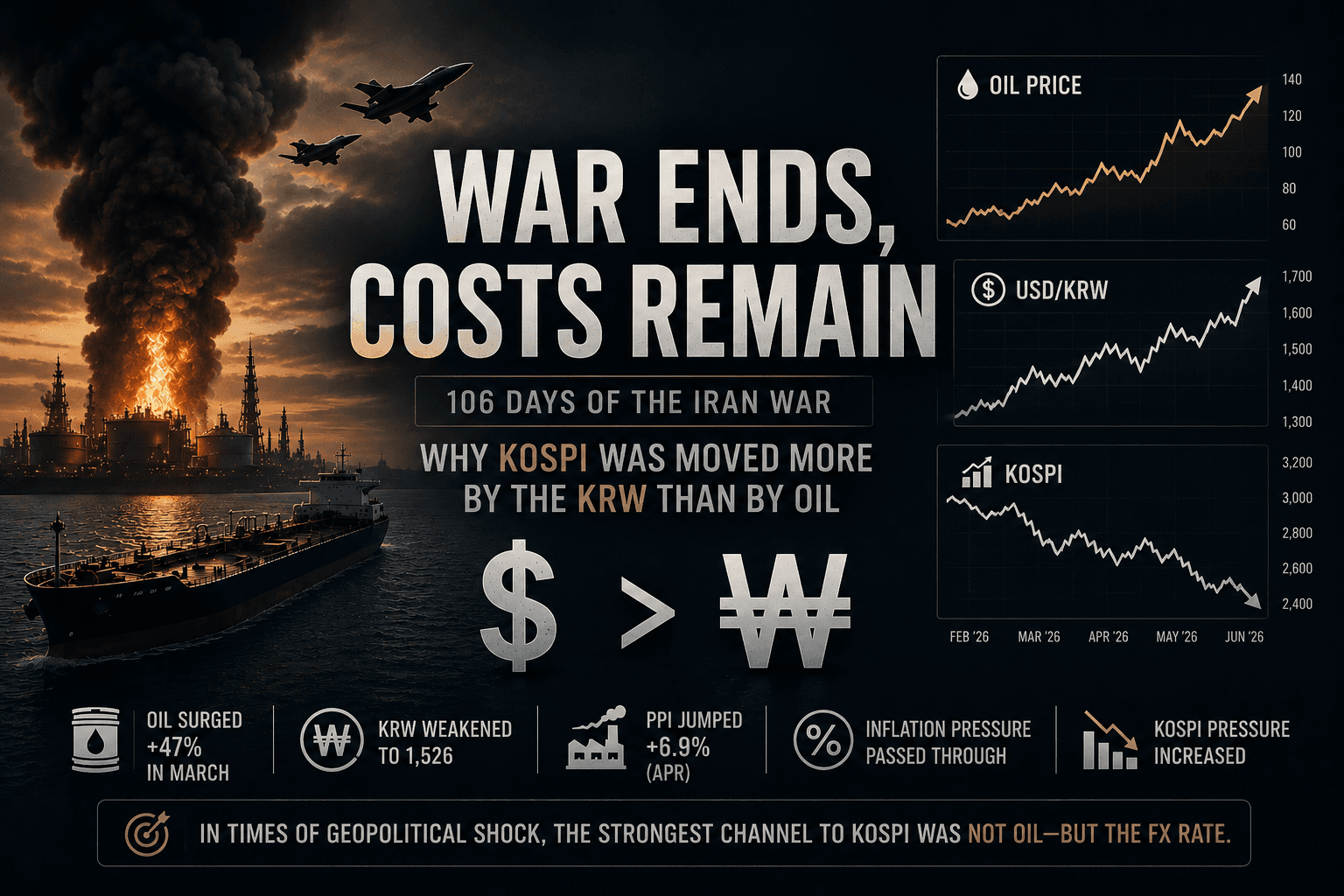
106 Days into the Iran War: Why Was the KOSPI Shaken More by Exchange Rates than Oil Prices?
AI Series 2/3
Oil prices
inflation
Korean stock market
PPI
geopolitics
Iran war
June 15, 2026 (Updated as of the date of the announcement of the previous negotiations)
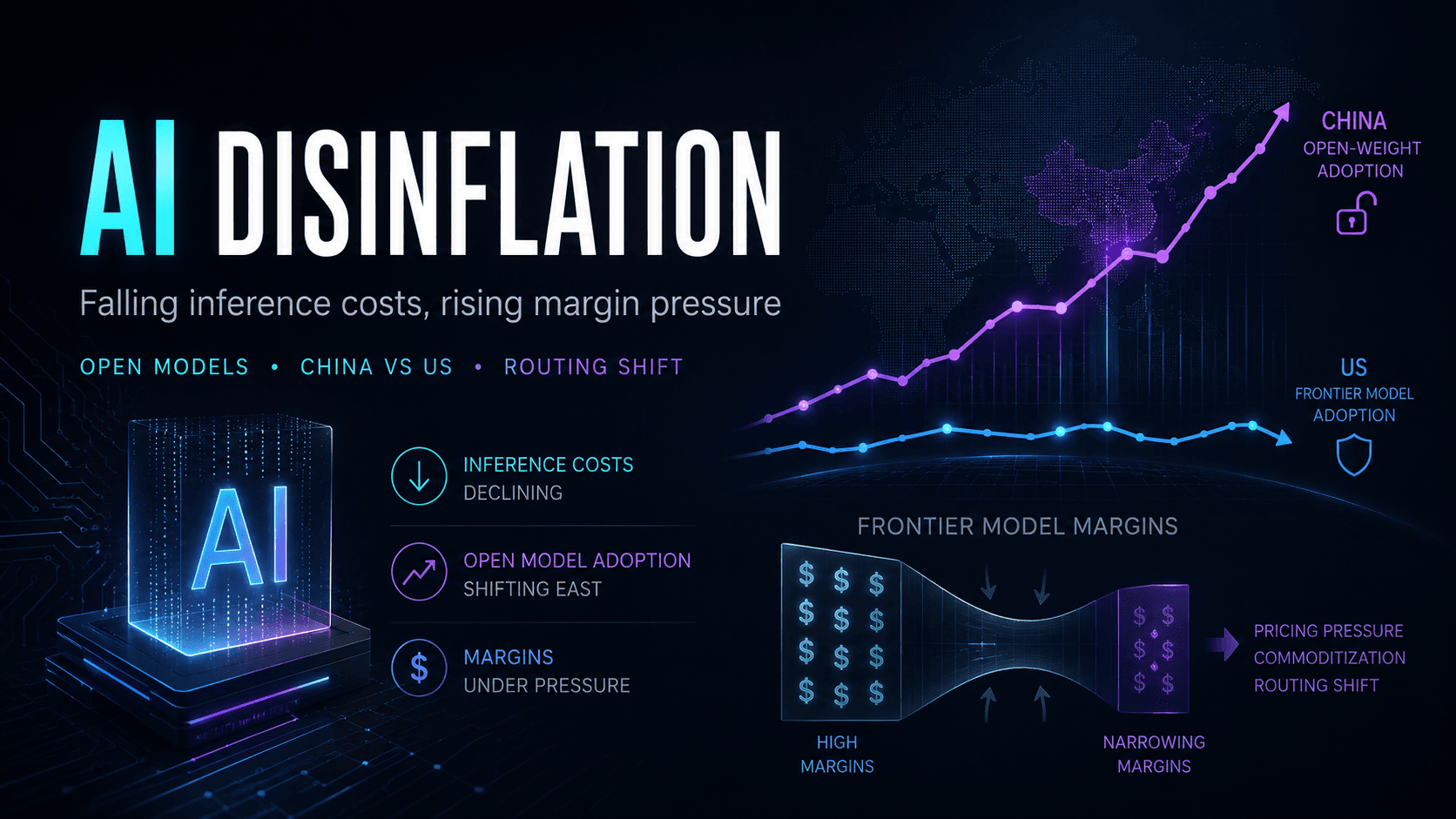
In my previous post , I wrote that the current market appears to be investing in the productivity that AI can generate rather than the AI companies themselves. After writing that, a question arose in my mind: What if there is inflation that AI cannot resolve, no matter how much it increases productivity? Just then, a war began. And 106 days have passed. Now, the atmosphere suggests that the war is entering a temporary containment phase. This article is a record of what actually happened during those 106 days.
1A question many people were missing
The United States is the world's largest oil producer. Therefore, there were many predictions that the impact on oil prices after the war would be limited. However, I considered this interpretation to be too simplistic.
What mattered was not how much was produced. It was where the crude oil went.
Let me give you an analogy. A village faces a water shortage. A neighboring village increases its production. However, if all the increased water is being sent to other regions facing water shortages—this village still suffers from a water shortage. The oil market was similar.
What I focused on was not the production figures, but the export trends. According to Kpler data, U.S. crude oil exports increased by approximately 39% from 3.92 million barrels per day in January to 5.44 million barrels per day in April. Conversely, U.S. crude oil imports decreased by approximately 19% from 7.26 million barrels per day in January to 5.88 million barrels per day in June. It appears that the crude oil extracted in excess by the U.S. flowed to fill the gap left by blocked supply from the Middle East, rather than accumulating domestically.
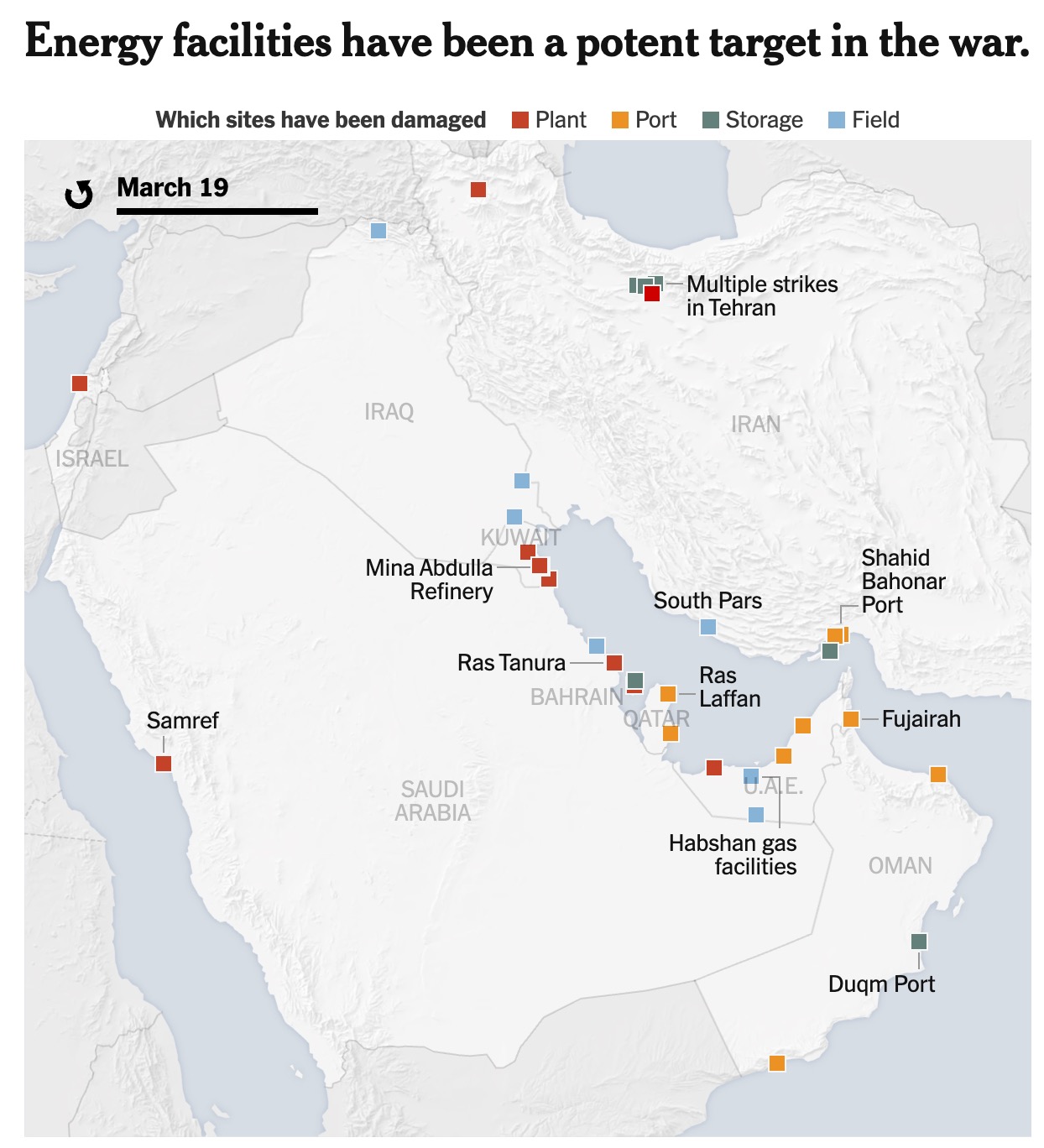
What was more important than oil prices was the cost.
Oil prices do not move solely based on the price per barrel.
Throughout the war, there were four variables I tracked: the price of Dubai crude oil, the won/dollar exchange rate, war risk insurance premiums, and naphtha prices. What was more important was that these variables did not move independently. Looking at the actual data, the coincident correlation between oil prices and the exchange rate was merely +0.09, but when viewed with a one-day lag, the correlation rose to +0.33. It was a pattern where if oil prices rose, the exchange rate followed suit the next day.
Let's consider this from Korea's perspective. Even when buying the same crude oil, we had to pay a higher price, pay higher insurance premiums, and settle in a weaker won. The oil prices viewed by the U.S. and Korea were completely different figures. Throughout that period, I was more worried about pressure on import prices than on oil price headlines.
3Inflation that AI cannot solve
Let's go back to the story of AI.
The market paid a massive premium to AI even during wartime. The reason is simple: the expectation that AI will curb inflation by increasing productivity. This logic is quite persuasive. As productivity increases, more can be produced with the same workforce, and more products can be manufactured at the same cost.
However, the inflation caused by the war was a different matter.
Rising oil prices, exchange rates, insurance premiums, transportation costs, and raw material prices—these costs do not automatically disappear simply because AI productivity increases. On the contrary, the AI industry itself consumes enormous amounts of electricity and requires massive investments in data centers . These investment costs are not free from the influence of raw material and energy prices, either.
During those 106 days, the market wavered between two currents: productivity driven by AI and rising costs caused by geopolitics. Which one would move faster was the key variable for investment. And for all 106 days, the answer remained elusive.
4 The reason the Korean market was particularly vulnerable
The United States produces energy. Korea imports energy.
This difference was much greater than expected. When oil prices rise, some U.S. industries actually benefit. On the other hand, Korea was simultaneously affected by crude oil, LNG, petrochemical raw materials, transportation costs, and electricity costs.
The naphtha issue was particularly severe. When naphtha prices rise, the prices of plastics, synthetic fibers, packaging materials, and chemical products follow suit in a chain reaction. It is reported that the operating rate of South Korean ethylene crackers dropped from the 80% range before the war to the 60% range afterward.
Ultimately, the Producer Price Index (PPI) moves first, and then shifts to the Consumer Price Index ( CPI ) after a time lag. In fact, Korea's PPI rose 6.9% year-on-year in April. On a month-on-month basis, it stood at 2.5%, marking the largest monthly increase in 28 years. Just because the war has ended does not mean these figures will not be reflected in the following month's CPI. There is a time lag.
So, throughout that period, I looked at PPI before CPI.
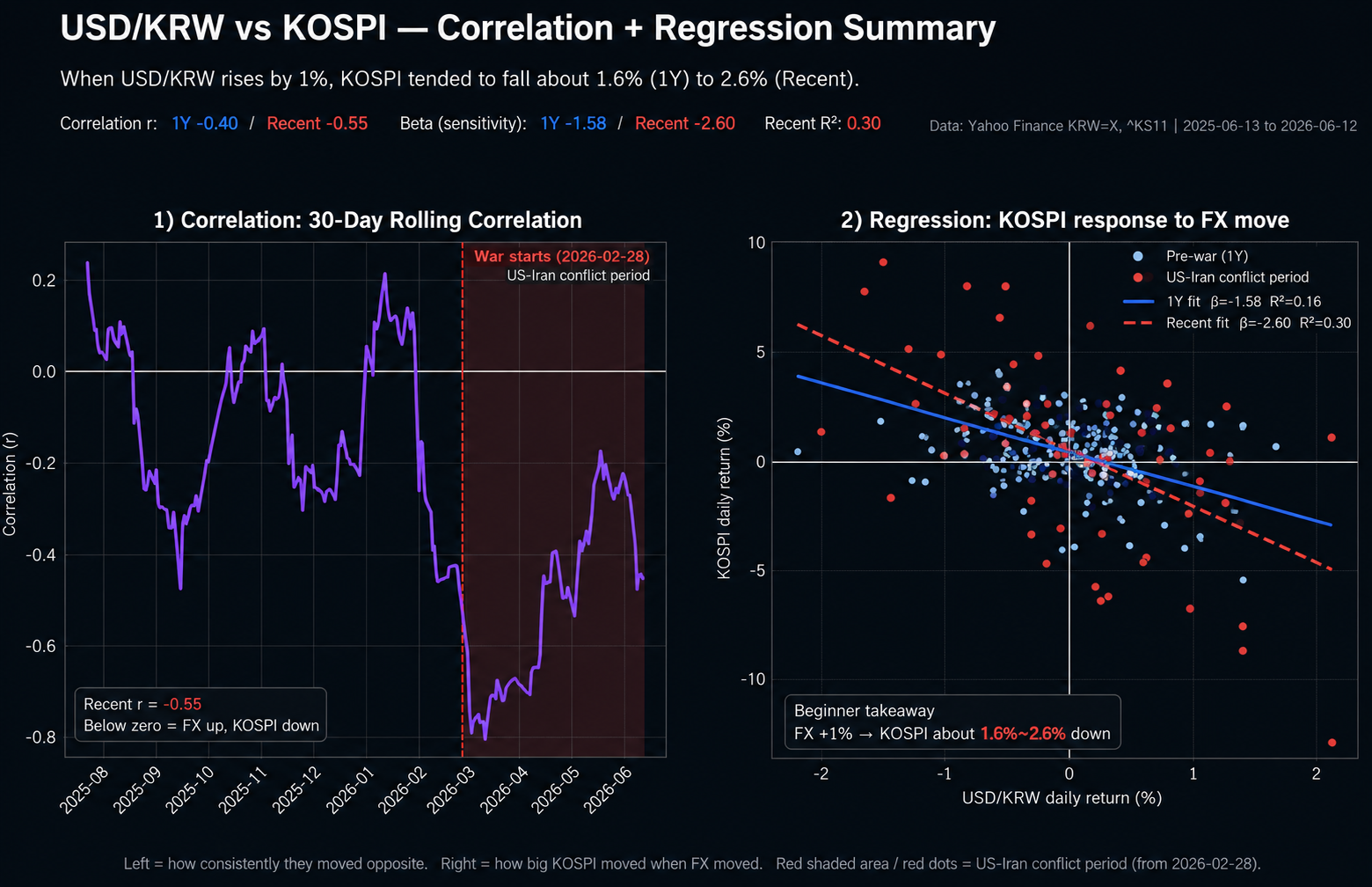
During the war, the Korean market became much more sensitive to exchange rates. Direct data analysis revealed that when the won-dollar exchange rate rose by 1%, the KOSPI tended to fall by approximately 2.6%. This reaction is 1.6 times stronger than the usual sensitivity of about -1.58. The strongest channel through which the war was transmitted to the Korean market was not oil prices, but the exchange rate.
| Exchange rate rise scenario | KOSPI Expected Change (1-year average β = -1.58) | KOSPI Expected Change (War Regime β = -2.60) |
|---|---|---|
| +3% | Approximately -4.7% | Approximately -7.8% |
| +5% | Approximately -7.9% | Approximately -13.0% |
| +10% | Approximately -15.8% | Approx. -26.0% |
※ Estimates based on linear regression. Non-linear response is possible with greater shock. Not an investment recommendation.
5What I was seeing was not oil prices
There was one question I was asked most often throughout that period: “Do you think oil prices will rise further?”
Honestly, I wasn't very interested in that question.
This is because I was looking at the structure created by oil prices rather than the oil prices themselves.
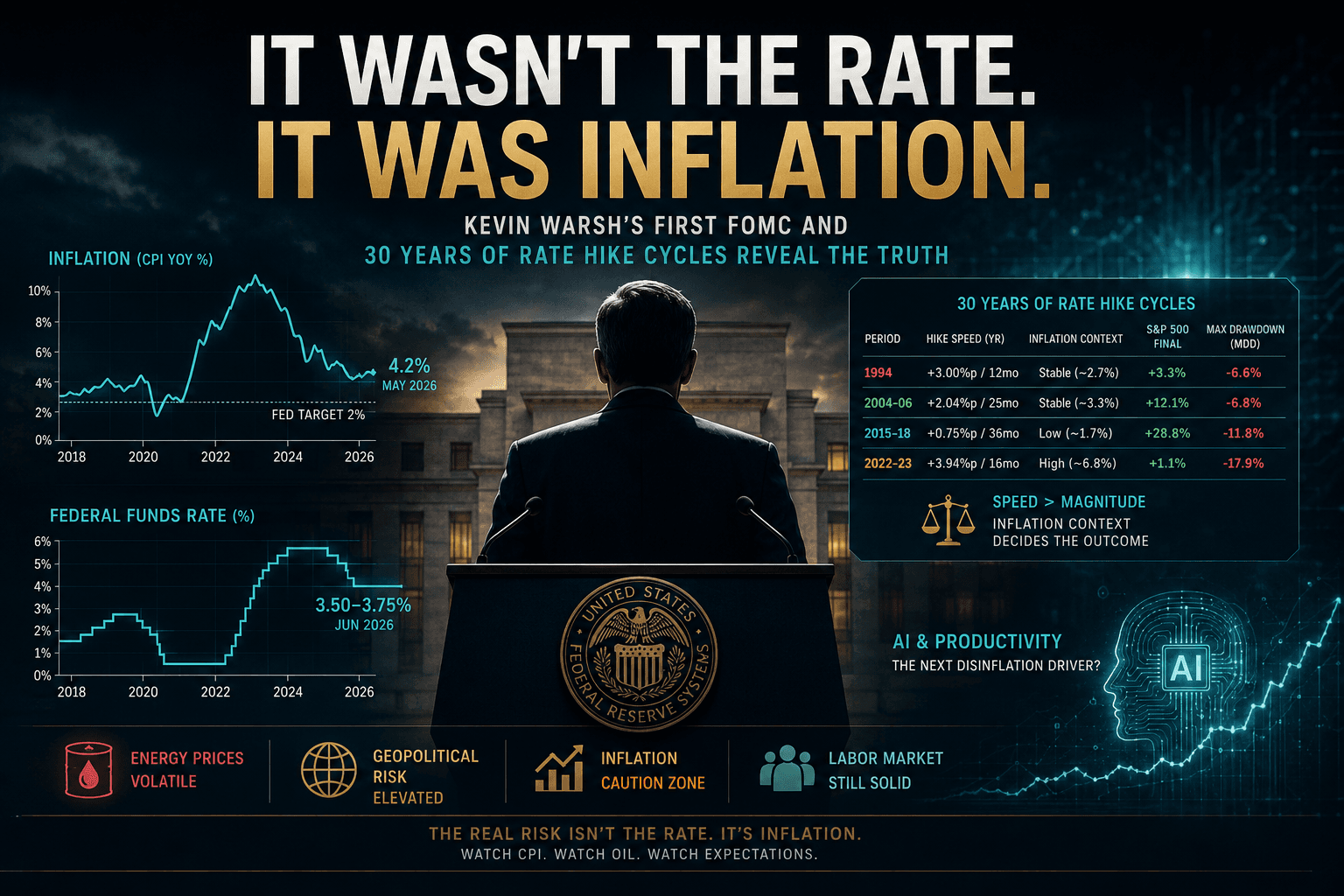
War → Oil Prices → Exchange Rate → Import Prices → PPI → CPI → Interest Rate → Stock Market
We observed whether this link was maintained. For 106 days, this link actually worked. Brent rose, the exchange rate rose, the PPI rose, and then it was about to transition to the CPI.
Even after the war ends, the costs remain.
On June 15, 2026, the United States and Iran reached a preliminary agreement that included a ceasefire and the reopening of the Strait of Hormuz . Trump announced this as the conclusion of peace negotiations. However, the official signing is scheduled for June 19 in Switzerland, and key issues such as the nuclear program and sanctions relief have been deferred to 60 days of negotiations. While the war is moving in the direction of stopping, it is difficult to view the cost shock as disappearing immediately.
Oil prices are highly likely to face downward pressure. War risk insurance premiums will also decrease. Ship fuel costs will also normalize.
However, the 6.9% already embedded in the PPI is reflected in the CPI with a time lag. The risk premium built up by the exchange rate does not return overnight. The fact that the operating rate of South Korean ethylene crackers dropped to the 60% range during the war does not mean that the factories immediately returned to 100%.
And a bigger question still remains.
Could AI generate enough productivity to offset these costs? Throughout the war, AI valuations barely wavered. The market acted as if it had already answered that question.
I am not that sure yet.
This article is a record of those 106 days. It leaves a reference point for the next time regarding what mechanisms operate and in what order when a geopolitical crisis arises.
⚠️ This article is not an investment recommendation. The figures and analysis are for informational purposes only, and investment decisions and their outcomes are the sole responsibility of the investor. What Aleph presents is a market observation framework and is not a buy or sell signal.
In the next article, we plan to discuss whether AI productivity is actually manifesting and what can be used to observe it .
To continue receiving Aleph's analysis, you can subscribe via the link below.
How this content was produced
Aleph's research AI agent assisted with collecting and analyzing public data, creating charts and visuals, and structuring the draft. Davar personally reviewed and edited the sources, figures, reasoning, and final conclusions.
This content is for informational purposes only and is not personalized investment advice or an individual stock recommendation. Read the full disclaimer

Davar
Davar builds and operates Aleph's research AI agent and writes and reviews analysis on macroeconomic developments and AI industry trends.
© Aleph. All rights reserved.