
Alibaba Announces Enterprise Agent AI — What Companies Want Is Execution, Not Conversation
On March 16, 2026, Alibaba officially announced the launch of Qwen- based enterprise agent AI. While the surface of the news is an Alibaba announcement, the real question is singular: What changes when agent AI is integrated into corporate operations? This question is currently determining the next phase of the AI industry.
1What happened today
Bloomberg and Reuters reported the following: Alibaba will announce an enterprise agent AI based on its Qwen flagship model this week. This product is being developed by the DingTalk (Chinese version of Slack) team and will proceed with ecosystem integration with Taobao and Alipay in stages. This is the next move by CEO Eddie Wu, who bet $53 billion on AGI.
Currently, Alibaba's AI revenue is about one-thirteenth of Microsoft Azure's. The key point to watch following this announcement is how quickly that gap narrows. The market will be watching to see if future cloud revenue growth and platform lock-in effects actually materialize.
2What companies want is execution, not dialogue
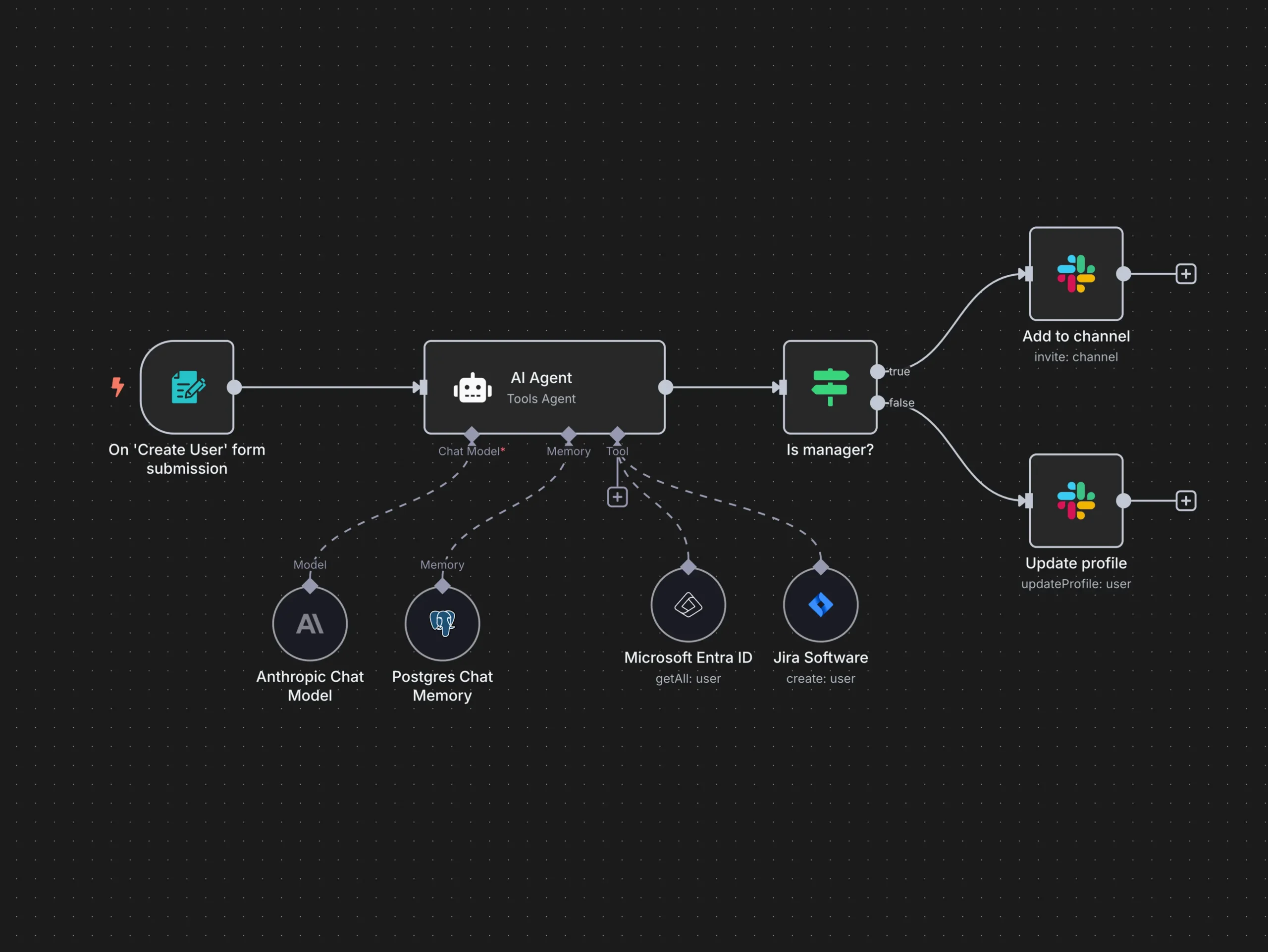
The reason Chat AI faces limitations in establishing itself as a productivity tool in enterprises is structural. Employees must ask the AI, the AI answers, and then the employee must execute the response. Humans act as intermediaries, serving as translators. Agent AI, however, handles this final step directly. If a human simply states their intent, the AI takes over the execution.
The reasons why companies want agent AI converge into four points.
Automation of repetitive tasks
Data entry, report writing, email processing, meeting summaries—these are routine tasks that people handle every day. Agents can automate a significant portion of these tasks, reducing the time spent clicking manually and allowing people to focus on decision-making.
Connecting scattered systems into one
In a corporate environment, ERP, CRM, collaboration tools, and cloud services are separated. Agents directly manipulate these systems to connect data. The workflow previously handled by humans through copy-and-paste is automated.
24-hour operation
Agents work even while people sleep. This enables task processing across global time zones, nighttime batch operations, and real-time monitoring. It is the most direct way to address labor shortages through technology.
SaaS Subscription Cost Restructuring
If a single agent handles the functions of multiple tools, the need for individual SaaS subscriptions decreases. This is a long-term trend changing the structure of corporate IT budgets. This is why existing SaaS vendors are vulnerable in the agent era. I have summarized separately how the SaaS layer is under pressure in the agent era .
The Meaning of the 3DingTalk Team Creating
The most striking aspect of this announcement is the developer rather than the technical specifications. The DingTalk team is creating this agent.
DingTalk is a work collaboration platform used by tens of millions of companies in China. For a team already integrated into the corporate workflow to create an agent implies designing a product that fits into the corporate business process from the very beginning. It is closer to an attempt to redesign the collaboration tool itself around AI, rather than an approach of simply adding AI on top of existing tools.
Releasing Qwen as an openweight allows developers worldwide to grow the ecosystem. Qwen downloads have already surpassed 600 million . The structure is such that dependence on Alibaba Cloud (Model Studio) increases as developers create apps based on Qwen. However, the resignation of key developer Lin Junyang in early March has raised questions about the future sustainability of the open source project. This should be viewed as a risk factor.
4 Observation Points to Look At Now
It is not possible to determine at this time whether this announcement actually works. There are indicators to help make that judgment.
Lin Junyang, the technical leader of Alibaba's Qwen team, suddenly resigned in early March. He is a key figure who led the company to 6 million downloads. While CEO Eddie Wu stated that he would maintain the open-source strategy, the possibility that future flagship models will transition to paid APIs cannot be ruled out. We must also consider the structural uncertainties underlying this short-term positive development.
There are four key points to observe to gauge actual adoption following the announcement: whether DingTalk's paid customers increase, the growth trend of Alibaba Cloud AI revenue, the continued growth of Qwen downloads, and the details of corporate partnership announcements. If two or more of these four factors move positively simultaneously, the adoption momentum can be considered real.
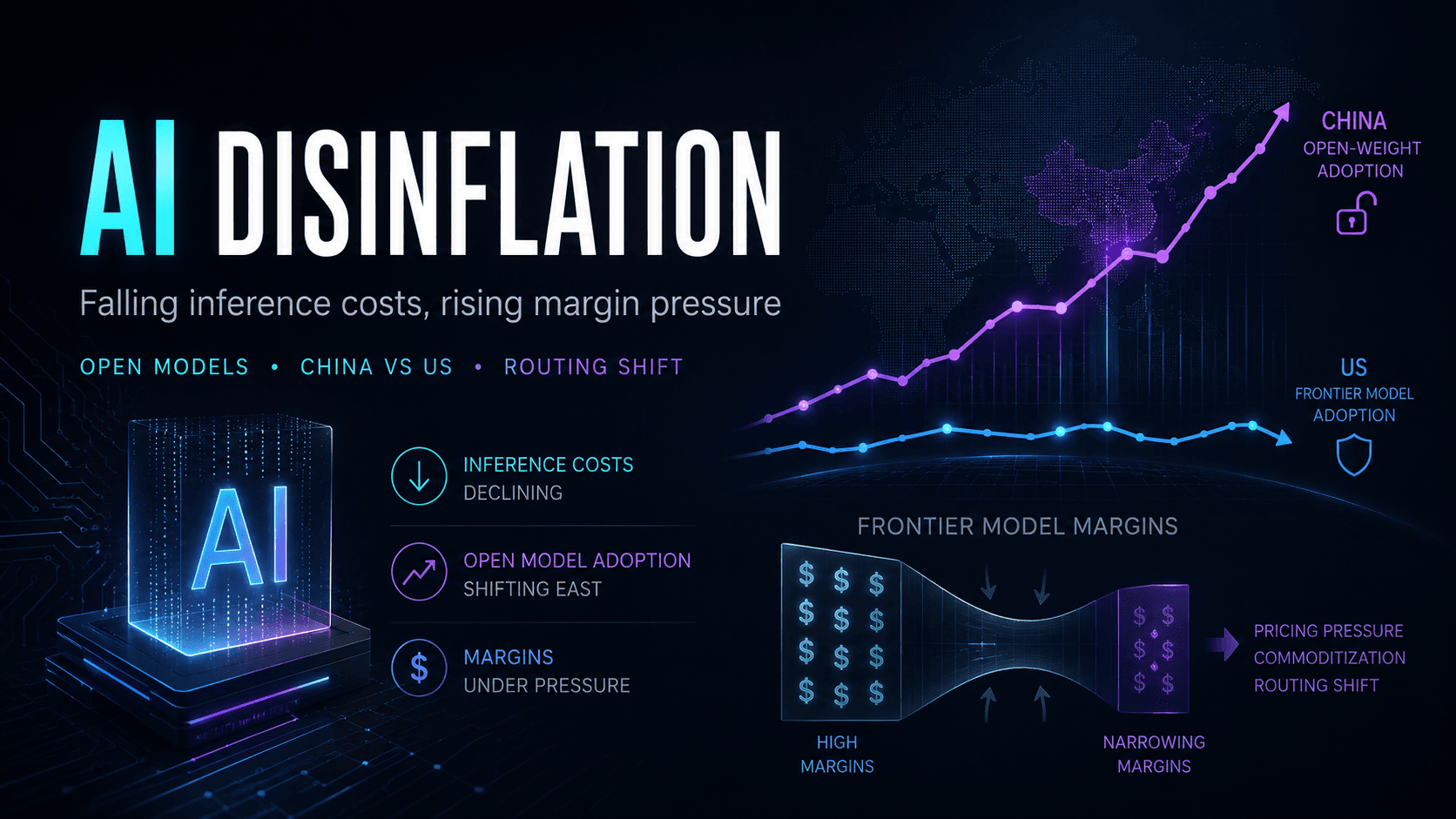
It is more important to observe how the entire Chinese AI ecosystem grows rather than focusing on individual stocks. ByteDance (Doubao, 190 million users), DeepSeek, and Tencent are all simultaneously launching agent AI products. Even if Alibaba takes the lead, intense competition will lead to price pressure. The key focus of observation is not who wins, but how the enterprise market is opened up. The competitive landscape across different AI layers and the structure of infrastructure benefits should also be viewed in this context.

5Frequently Asked Questions
| question | answer |
|---|---|
| What is the difference between Alibaba Agent AI and Anthropic Computer Use? | Anthropic Computer Use is a general-purpose agent platform, whereas Alibaba's products were designed from the outset to integrate with existing enterprise ecosystems such as DingTalk, Taobao, and Alipay. The difference lies more in ecosystem entry strategies than in technological differences. |
| How long does it take for agent AI to be actually adopted by companies? | Enterprise AI adoption proceeds in the order of pilot → divisional application → company-wide expansion. Each stage typically takes 6 to 12 months. The timing of actual corporate partnerships and case studies emerging following this announcement will serve as a benchmark for gauging the speed of adoption. |
| What is the impact of the key developer's departure on this announcement? | Lin Junyang was a key figure in Qwen's open source strategy. While the announcement itself has no impact in the short term, it raises questions regarding the future pace of model updates and open source sustainability. It is necessary to continuously monitor open source download trends. |
| What is the impact of this announcement on existing SaaS companies? | As agent AI begins to connect and replace various SaaS tools, pressure will be placed on individual SaaS subscription costs to decrease. This is a mid-to-long-term threat rather than a short-term one. It aligns with the structure where SaaS valuations are already under pressure. |
Conclusion — The Agent Era: Where the AI Industry Is Heading
The true significance of Alibaba's announcement is not Alibaba itself. It is the shift from Chat AI to Agent AI.
Companies do not need a conversation partner; they need a layer that performs the work for them. This is not AI that simply replies to emails, but AI that sends emails, schedules, and submits reports. When this shift occurs, the cost structure of AI tools, the allocation of corporate IT budgets, and the competitive landscape of the SaaS market will all change. Just as technological revolutions have repeated this pattern, the side that dominates the infrastructure leads the next cycle.
Personally, what impressed me most about this announcement wasn't the $53 billion investment scale or the specifications of Qwen. It was the fact that the DingTalk team is developing it. When a team already working within a company designs an agent, a different product emerges from the very beginning.
What we need to observe right now is not Qwen's performance, but what tasks actual companies are starting to entrust to Agent AI. The winner of the Agent era is likely to be the platform that penetrates the deepest into corporate operations, rather than the model itself.
This article is for informational purposes only and does not constitute investment advice; investment decisions and responsibilities lie solely with the individual. The cited figures are based on publicly available reports from sources such as Bloomberg, Reuters, and CNBC.
📌 Was this analysis helpful?
In the next post, I plan to cover “Comparison of the Top 3 Chinese AI Agents — Alibaba vs. ByteDance vs. DeepSeek” .
How this content was produced
Aleph's research AI agent assisted with collecting and analyzing public data, creating charts and visuals, and structuring the draft. Davar personally reviewed and edited the sources, figures, reasoning, and final conclusions.
This content is for informational purposes only and is not personalized investment advice or an individual stock recommendation. Read the full disclaimer

Davar
Davar builds and operates Aleph's research AI agent and writes and reviews analysis on macroeconomic developments and AI industry trends.

© Aleph. All rights reserved.